


Researcher Examines Human-Centred Design in VR Shopping
Dr Aysu Erensoy has completed a doctoral degree at Te Kunenga ki Pūrehuroa Massey University, where she investigated consumer behaviour inside virtual reality shopping environments. The research examined how individuals experience retail spaces in virtual reality and identified practical methods through which emerging technologies can improve customer experiences. The work addressed the relationship between technology and human behaviour.
Originally from Turkey, Dr Erensoy moved to Aotearoa New Zealand six years ago. She holds a degree in city and regional planning, during which she developed an interest in designing spaces. This interest developed into a concentration on the people who inhabit and use designed spaces. She subsequently completed a Master’s in Management Information Systems. The programme exposed her to progressively accessible virtual reality technologies. The doctoral research combined elements of technology, psychology, design, and business. Its objective was to identify factors that make virtual shopping experiences enjoyable, useful, and centred around human needs.
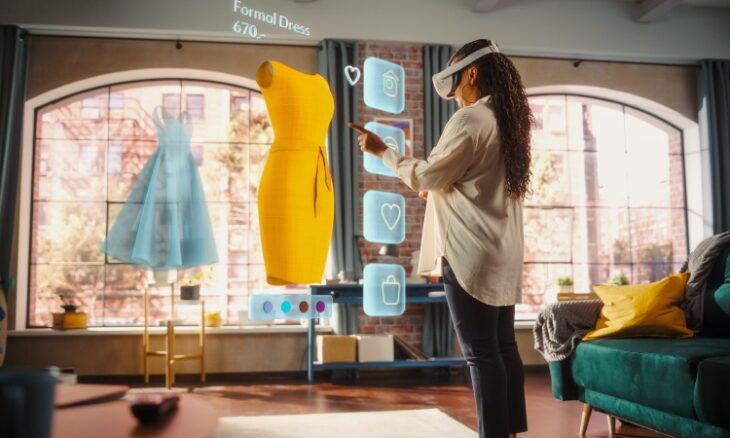
Retail provided the setting for the investigation. Virtual reality enables businesses to design experiences that would not be possible in physical stores. Customers can move through three-dimensional environments and interact with products in an immersive manner. The technology also delivers flexibility that physical stores commonly lack, including imaginative spaces and personalised experiences. The research examined virtual reality not as a replacement for physical retail but as an additional channel for customer connection.
The investigation comprised an assessment of existing literature, interviews with international experts in virtual reality and customer experience, and immersive shopping experiments. Participants completed tasks inside a virtual store. They were subsequently interviewed about their feelings and the moments that had the greatest impact on their overall experience.
An important finding indicated that memorable customer experiences are formed by numerous small interactions rather than by a single distinctive feature. Emotions such as curiosity, enjoyment, and confidence strongly influenced whether participants perceived the experience positively. In some instances, these emotional factors carried more weight than the technology itself.
The research showed that successful virtual experiences depend on thoughtful, human-centred design. The most engaging virtual environments feel intuitive, reduce effort, support customer goals, and create positive emotions throughout the user journey. When participants felt comfortable, confident, and in control, the technology receded into the background. Human-centred design focuses on people’s needs rather than on technical capability alone.
The findings deliver practical guidance for organisations designing customer experiences. They indicate that customer needs should be considered from the earliest stages of technology design. The findings emphasise the importance of placing people, rather than technology, at the centre of innovation. The research indicates that effective innovation begins with comprehending human behaviour.